
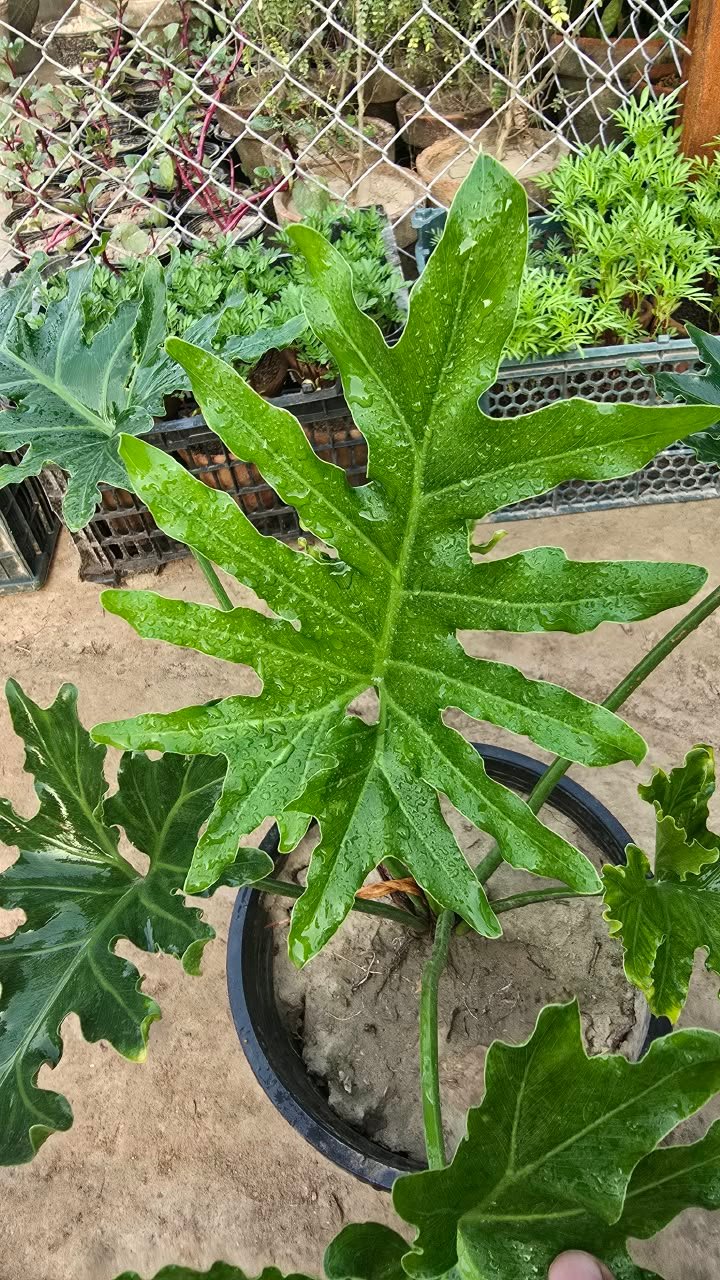
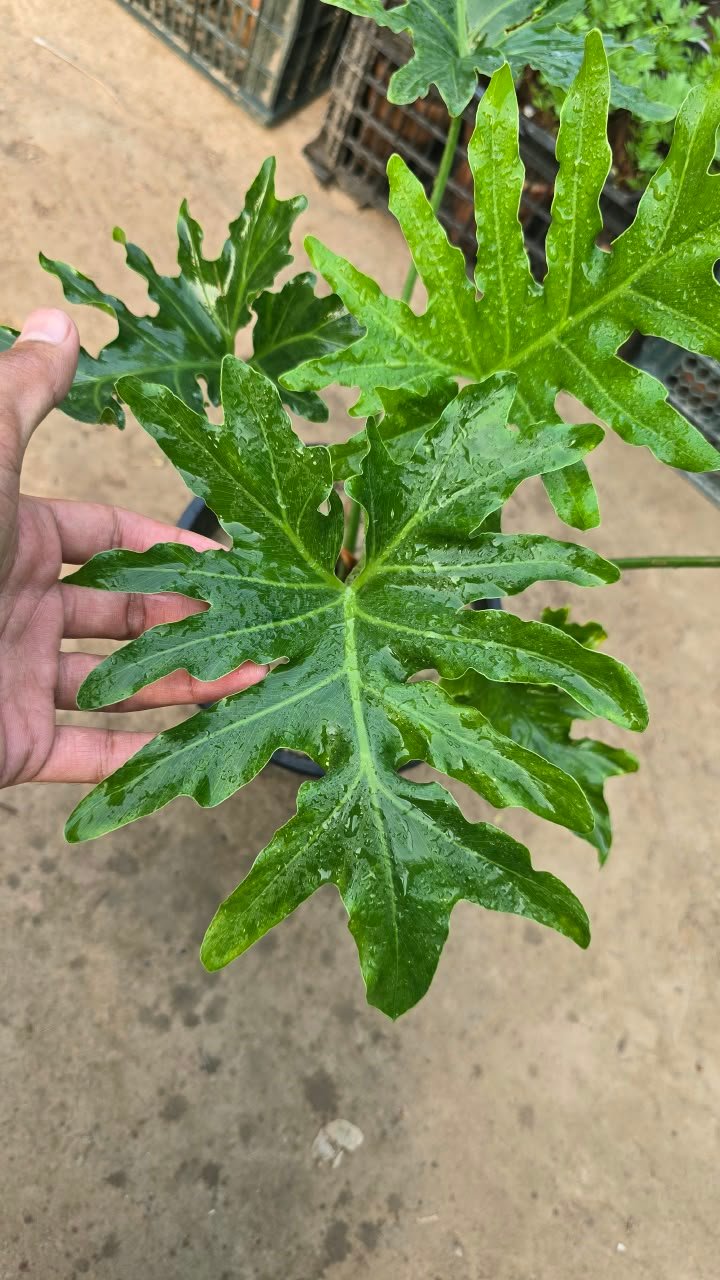
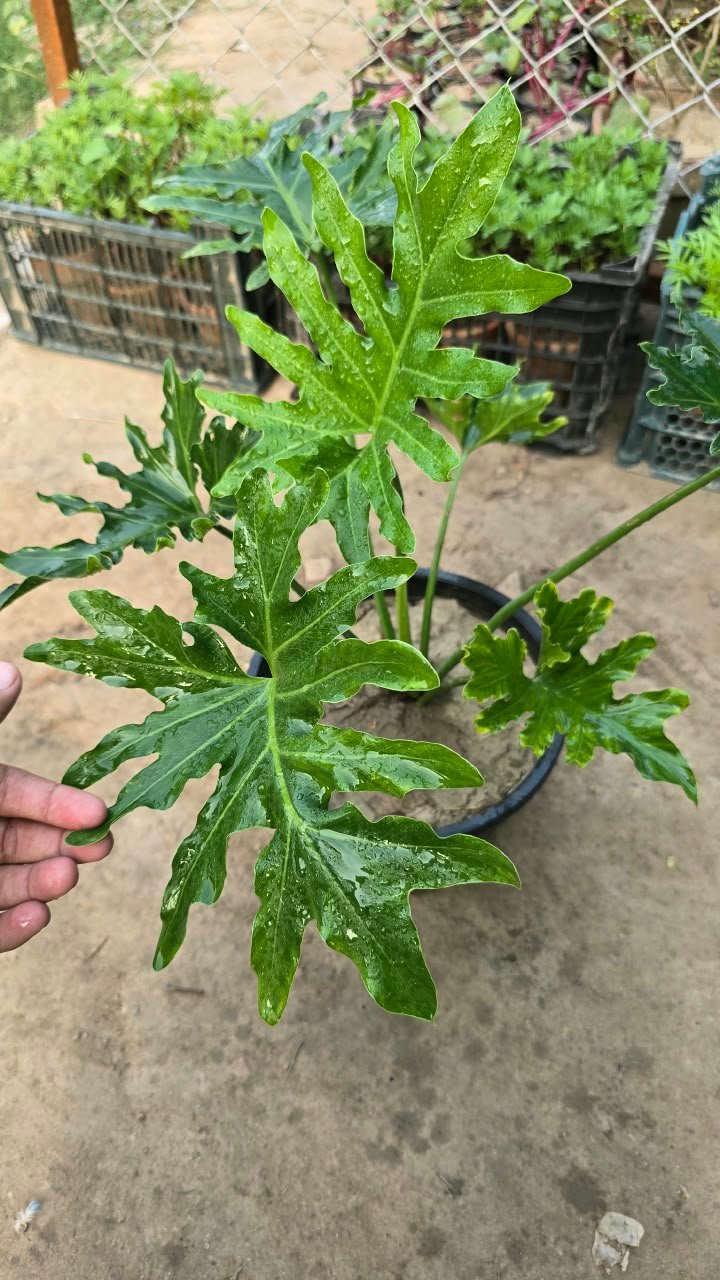
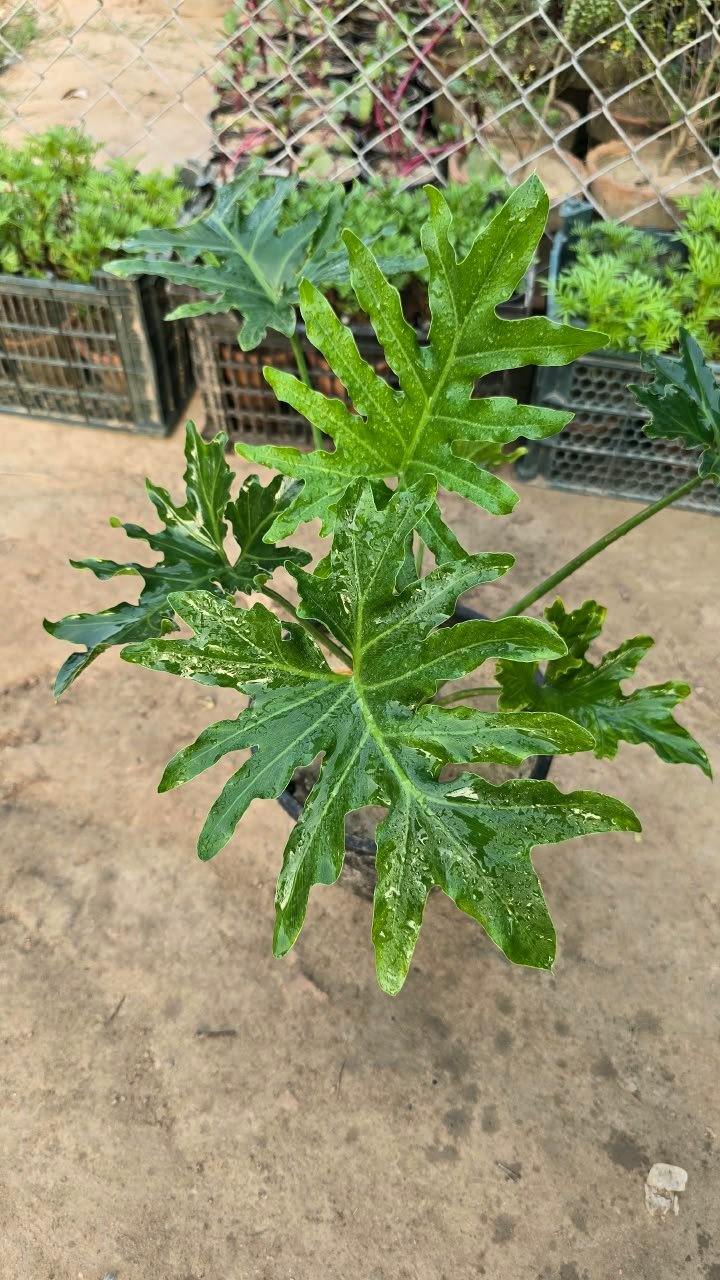
The selloum plant is one of the boldest foliage plants you can grow. Its glossy, deeply lobed leaves can reach up to 3 feet long, and a single plant instantly gives a room a lush, tropical feel.
Also known as the split-leaf philodendron or lacy tree philodendron, the selloum plant is easy to grow and forgiving of beginner mistakes. Whether you want a statement piece for your living room or a leafy accent for a shaded patio, it delivers.
7 Reasons to Grow a Selloum Plant
- Dramatic foliage. Large, glossy leaves with deep, lacy cuts create instant impact.
- Fast growth. In good light it produces new leaves steadily through the warm season.
- Low maintenance. It tolerates missed waterings and average household conditions.
- Versatile placement. It thrives indoors in pots and outdoors in warm climates.
- Statement size. Indoors it reaches 3 to 5 feet, and outdoors it can grow much taller.
- Tropical look anywhere. One plant fills a corner and makes the space feel designed.
- Great for shade. It handles bright indirect light and partial shade well.
Selloum Plant Care Guide
The selloum plant is simple to keep happy. A few easy habits keep the leaves large and glossy.
Light and Temperature
Place your selloum plant in bright, indirect light. Morning sun is fine, but strong afternoon sun can scorch the leaves.
It prefers warm temperatures between 65 and 85°F. Keep it away from cold drafts and frost.
Watering and Soil
Water when the top 1 to 2 inches of soil feel dry, then let the excess drain away. Soggy soil is the most common cause of yellow leaves.
Use a rich, well-draining potting mix. A mix with some perlite or bark helps the roots breathe.
Feeding and Pruning
Feed monthly during spring and summer with a balanced liquid fertilizer. Remove old or damaged leaves at the base to keep the plant tidy.
Not sure whether your climate suits outdoor planting? Check the USDA Plant Hardiness Zone Map. A selloum plant grows outdoors year-round in warm zones 9 to 11 and makes an excellent houseplant everywhere else.
Where to Place Your Selloum Plant
This tropical beauty fits almost any space. Here are our favorite ideas:
- A bright living room corner as a floor plant
- Beside a sofa, staircase, or entryway for height
- A covered patio or balcony in warm weather
- A shaded garden bed in warm climates
Pair it with a decorative planter for a finished look, or browse our other indoor plants to build a layered tropical display.
Is the Selloum Plant Pet Safe?
Like many philodendrons, the selloum plant is toxic if chewed by cats, dogs, or children. Keep it out of reach of curious pets and little hands.
You can review the full list of plants that are harmful to pets on the ASPCA toxic plants list.
Quick Facts
- Common names: Selloum plant, split-leaf philodendron, lacy tree philodendron
- Botanical name: Philodendron bipinnatifidum
- Leaf size: Up to 3 feet long
- Indoor height: 3 to 5 feet
- Light: Bright indirect light to partial shade
- Outdoor hardiness: USDA zones 9 to 11
- Care level: Easy
Good to Know Before You Buy
Wipe the leaves with a damp cloth every few weeks to remove dust and keep them glossy. Repot every one to two years, choosing a pot only slightly larger than the last.
With age, the selloum plant develops a thick, woody trunk that adds even more character. Learn more about growing philodendrons from the Missouri Botanical Garden.
Order Your Selloum Plant Today
Ready to bring a little jungle into your home? Order your selloum plant today and enjoy bold, tropical foliage that grows more impressive every season.
Choose a bright spot, add a stylish pot, and watch it thrive.


Reviews
There are no reviews yet.